Trusted Commercial Lock Replacement in Florence, SC
Commercial lock replacement means removing an existing lock from a business door and installing new hardware. Florence business owners and property managers may consider it when a lock is worn, damaged, outdated, or no longer suits the way the space is used.
Commercial Lock Services in Florence, SC
Replacing a lock is not the same as rekeying one. Rekeying changes which keys work with an existing lock, while replacement removes the old hardware and installs a new lock.
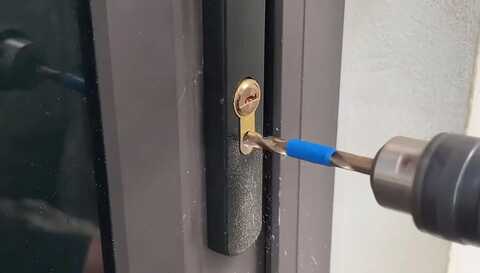
For a Florence business, the right choice depends on the door, the condition of the existing hardware, and how the space is accessed each day. Our commercial locksmith service can help you look at the existing setup and understand whether replacement makes sense.
A business lock replacement may be useful for an office, retail space, or another commercial property where a dependable door lock is part of everyday access. The goal is not to change hardware simply for the sake of changing it. It is to address a real problem or a change in the business’s needs. In some cases, a business lock replacement is the practical way to handle that change.
When Does a Business Need Lock Replacement?
There is no single reason every business replaces its locks. These are some of the situations that may lead an owner or property manager to have the existing hardware checked.
Worn or Difficult Locks
Daily use can leave a lock loose, sticky, or harder to operate. If the hardware is no longer working as it should, replacement may be worth considering.
Broken Commercial Locks
A lock that will not latch, turn, or secure the door properly needs attention. A business lock replacement can provide new hardware when repair is no longer the practical option.
Outdated Door Hardware
Older locks may no longer fit the way a business uses a building, especially after a renovation or a change to the doors.
Changed Access Needs
New staff, a new manager, or a change in how a room is used can lead a business to review its existing locks and keys.
Damaged or Compromised Locks
Physical damage from an attempted break-in or years of use can affect how well a lock works. New hardware may be considered after the condition of the lock is checked.
Replacing Commercial Locks vs. Rekeying
Replacement and rekeying are different services. Understanding the difference can make it easier to describe what you need when you contact a locksmith.
Rekeying keeps the existing lock but changes which keys operate it. A commercial door lock replacement removes the existing hardware and installs a new lock.
If the current lock is in good condition and the main concern is who has working keys, rekeying may be the service to discuss. If the hardware is damaged, worn, or no longer suitable for the door, replacement may be more appropriate. Our lock rekeying page explains that service in more detail.
Common Reasons to Replace Business Locks
Another situation is physical damage. After an attempted break-in or other impact, the lock may need to be inspected before deciding whether repair or replacement is appropriate.
Businesses also change over time. A new owner may want to review the locks after taking over a property and consider a business lock replacement if the existing hardware no longer fits the needs of the space. That review can include whether a business lock replacement is needed. A manager may need to update access after staff changes or changes to the way rooms are used.
In these situations, a business lock replacement is one possible solution. The condition of the existing hardware should be considered before choosing the next step.
How Commercial Door Lock Replacement Works
A commercial door lock replacement generally starts with the existing door and hardware.
- Describe the Problem: Explain what the lock is doing, what type of door it is on, and why you are considering a change.
- Check the Existing Hardware: The lock and door can be looked at to determine whether replacement is a suitable approach.
- Remove the Old Lock: When replacement is appropriate, the existing hardware is removed from the door.
- Install the New Lock: The replacement hardware is fitted to the door and adjusted as needed.
- Test the Door: The new lock is checked with the door so its operation can be confirmed.
This process is straightforward, but the details matter. The replacement hardware needs to work with the door rather than simply fit into the opening. That is especially important when planning a commercial door lock replacement.
Choosing the Right Commercial Door Lock
Not every business door uses the same type of lock. The existing door, frame, hardware, and access pattern all matter when deciding what should replace a worn or damaged lock.
For example, an office entrance may have different requirements from an interior business door. A property manager may also need to consider how employees, managers, or other authorized users currently access the space.
A commercial door lock replacement should begin with the actual door rather than a one-size-fits-all assumption. Looking at the setup first can help avoid unsuitable hardware. For background on lock and latch performance, the ANSI/BHMA A156.2 locks and latches standard outlines performance requirements for covered lock types.
Why Proper Commercial Lock Installation Matters
New hardware only helps when it is installed correctly. A poorly fitted lock can stick, fail to latch, or place extra wear on the door and hardware.
Careful installation helps the lock and door work together as intended. It also gives the business a chance to address alignment or operating problems while the new hardware is being fitted. BHMA also maintains ANSI/BHMA standards for commercial builders hardware, including locks, closers, and exit devices.
If you are replacing a lock because the old one has become difficult to use, the installation should solve the underlying hardware issue rather than create another one.
Commercial Lock Replacement FAQs
Need Commercial Lock Replacement in Florence, SC?
Tell us about your business doors and what is prompting the change. If you are considering a commercial door lock replacement, we can discuss the lock, door, and access needs so you can understand the next step.